
Nestled at 8,750 feet on the western flank of Colorado’s San Juan Mountains, Telluride sprang to life in 1875 as a tent mining camp called Columbia. Three years later, rich veins of silver, gold, copper and other minerals transformed it into one of the West’s fastest-growing boomtowns, officially renamed Telluride in 1880 after the element tellurium (though none exists here). By 1890, the Denver & Rio Grande Railroad had chugged into town, carrying miners—and their ambitions—up the canyon’s steep grades. At its peak, Telluride boasted a population of 5,000, with immigrants from the British Isles, Scandinavia, and beyond. Main Street was lined with grand Victorian storefronts, saloons, schools, churches and the first electric street lamps, powered by a hydroelectric plant built in the early 1890s based on Nikola Tesla’s alternating-current patent. Main Street glowed long before many larger cities, earning Telluride a reputation for technological innovation amidst its mining heyday.
The Silver Panic of 1893 emptied Telluride’s coffers almost overnight, dropping the population to a few hundred by mid-20th century fewer than 500 hardy souls remained. Yet the town endured, buoyed by ranching and small-scale outdoor tourism. In the 1960s and ’70s, Telluride became a magnet for hippies, artists, and back-to-the-landers seeking community and counterculture. Communal living, local crafts, and underground concerts powered a new, bohemian era—details of which live on in surviving folk art, restored mining cabins turned retreats, and annual cultural gatherings.
Then in 1972, developers opened the Telluride Ski Resort in nearby Mountain Village. Over the next decades, Telluride shed its “ghost town” label and evolved into a world-class mountain destination. Today, it’s a National Historic Landmark District, where contemporary life hums alongside century-old facades and gas-lit streetlamps.
Outdoor Access & Public Lands
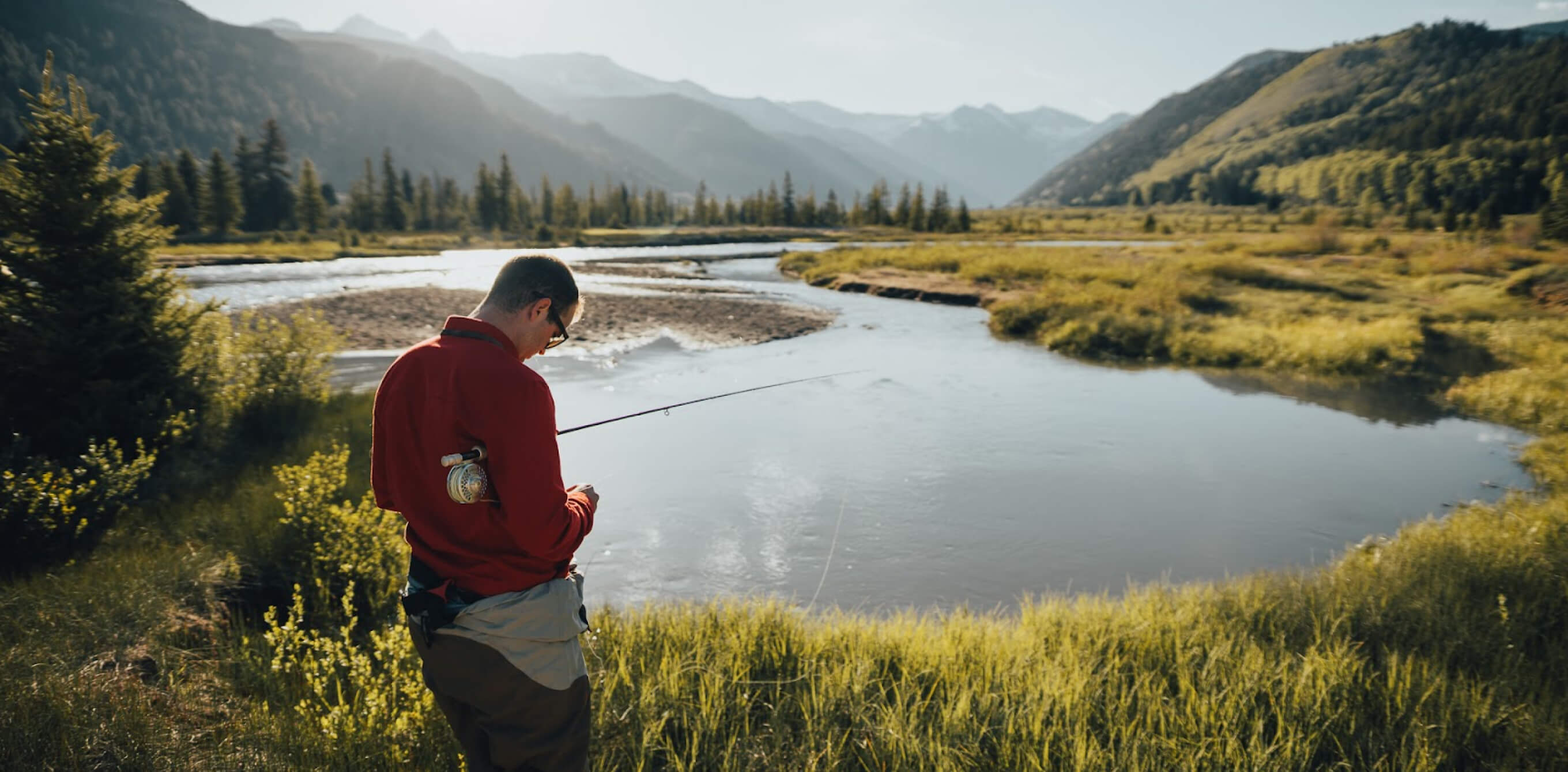
Telluride’s true gem is its access to public lands and backcountry terrain. The town sits within the San Juan National Forest, with trailheads mere minutes from downtown. Hikers can access the Highline Trail, Bear Creek Falls, and Bridal Veil Falls without a car. Off-road enthusiasts tackle routes like Imogene Pass and Black Bear Pass, crossing creeks and alpine tundra. River rafters drop into class III–V rapids on the San Miguel and Uncompahgre, while anglers find trophy trout in stocked alpine lakes. In summer, the free gondola system doubles as a scenic trailhead shuttle—no vehicles required. Winter backcountry access is just as effortless, with ski-touring routes off Bridal Veil Mesa and guided avalanche-aware trips available through local outfitters. Access to these public lands is protected under Wilderness and Motor Vehicle Use Maps, ensuring generations can explore high-country ecosystems.
A Playground Year-Round
Telluride’s geography—cradled in a steep box canyon surrounded by 14,000-foot peaks—makes it unique. In winter, the resort’s 2,000 skiable acres, 127 trails and free gondola link to Mountain Village, creating one of North America’s most dramatic ski areas Wikipedia. Summer brings wildflower-studded turf and endless trails: hike to the 425-foot Bridal Veil Falls, Colorado’s tallest cascade, or bike the famed Imogene Pass for panoramic vistas. River rafting on the San Miguel and Uncompahgre rivers offers whitewater thrills under rocky cliffs.
Festivals & Culture
Though rooted in mining, Telluride thrives on culture. Since 1974, the Telluride Film Festival has kicked off Labor Day weekend with premieres and panels in the Sheridan Opera House—drawing filmmakers like Peter Bogdanovich and Tom Luddy. In June, the Telluride Bluegrass Festival, born from a family Fourth-of-July picnic, unites legends like Béla Fleck and hot newcomers on a stage framed by peaks. September sees the Blues & Brews Festival blend roots music with craft beer under the aspens, while Spring’s Mountain Film Festival spotlights documentaries on social and environmental issues.
Year-round, galleries on Colorado Avenue showcase regional painters, while the Sheridan Opera House stages theater and music. The free gondola ride between Town and Mountain Village doubles as public art—with local art displayed at San Sophia Station—making transit part of the cultural experience.
Community & Civic Life
Telluride’s small size (population ~2,300) belies its civic engagement. The Town Council meets monthly in the historic courthouse, setting policies on land use, trails and events. Residents volunteer at food banks, town-hosted cleanups and the local Historic Museum, preserving mining artifacts and oral histories. The San Miguel County Clerk’s office in the Town Hall handles everything from marriage licenses to property records, while the Sheriff’s station issues avalanche warnings and public-safety alerts.
Nonprofits like Telluride Historical Museum, Mountainfilm (now year-round), and Planet Bluegrass (producer of festivals) foster education and the arts. Local schools—Telluride Elementary and High School—serve families who choose mountain life for its outdoor ethos and close-knit community.
Main Street & Mountain Village
Historic Main Street, a National Register district, retains Victorian architecture and cobblestone alleys. Here you’ll find the Butcher & The Baker, a gourmet café; Between the Covers, a beloved indie bookstore; and artisan shops like Crossbow Leather. A block uphill houses City Market, the only grocery store, where skiers and locals queue for espresso.
The free gondola—North America’s only public transit gondola—climbs 4,000 vertical feet to Mountain Village. There, pedestrian-only streets wind past luxury lodges like Madeline Hotel and Element 52, ski-in/ski-out condos, and the Telluride Conference Center. Summer outdoor yoga and winter ice-skating rinks add to the recreation mix.
What Makes Telluride Unique?
- Box Canyon Setting: Unlike most ski towns, Telluride’s entire downtown sits in a steep canyon, offering jaw-dropping scenery at every turn.
- Historic Continuity: One stroll down Main Street feels like stepping into an 1890s mining town, complemented by modern boutiques and eateries.
- Free Gondola: A testament to civic foresight, the community built a no-cost transit system connecting two distinct villages.
- Festival Capital: Few towns of this size host four internationally renowned festivals annually—film, bluegrass, blues, and mountain documentary—plus dozens of smaller events.
- Community Spirit: With robust volunteerism, a democratically run town council, and nonprofit backbone, Telluride’s civic pride is as high as its peaks.
From its silver-rush roots to ski-resort success and cultural prominence, Telluride embodies a balanced blend of rugged independence and collaborative spirit. Whether you’re exploring ice rinks in winter, hiking wildflower trails in summer, or tapping toes at a festival in town park, you’re part of a living history—one that locals are proud to share, and visitors are eager to join.